
Asbestos

Sample before the demolition, not after

Asbestos left undisturbed in a material is a different situation from asbestos turned into dust by a saw. A survey tells you what is in the materials you are about to disturb, before the work starts.

When it matters - and when it does not

The usual trigger is disturbance: a renovation, demolition, re-roof, floor replacement, or storm damage that has already opened something up. Intact material in good condition that nobody plans to disturb is generally a management question rather than an emergency.

Building age matters, but asbestos-containing products stayed in use after they fell out of favor, so the survey looks at the materials rather than the date on the deed.

What a suspect-material survey looks at

The survey covers the scope of the planned work and identifies materials that could contain asbestos - commonly floor tile and mastic, sheet flooring, joint compound and textured ceilings, pipe and boiler insulation, duct wrap, cement board, some plasters, roofing and siding.

Materials are grouped into homogeneous areas, and layers are recorded separately, since a floor may be several floors each with its own adhesive. Condition and location are documented because they affect the recommendation.

How bulk sampling actually works

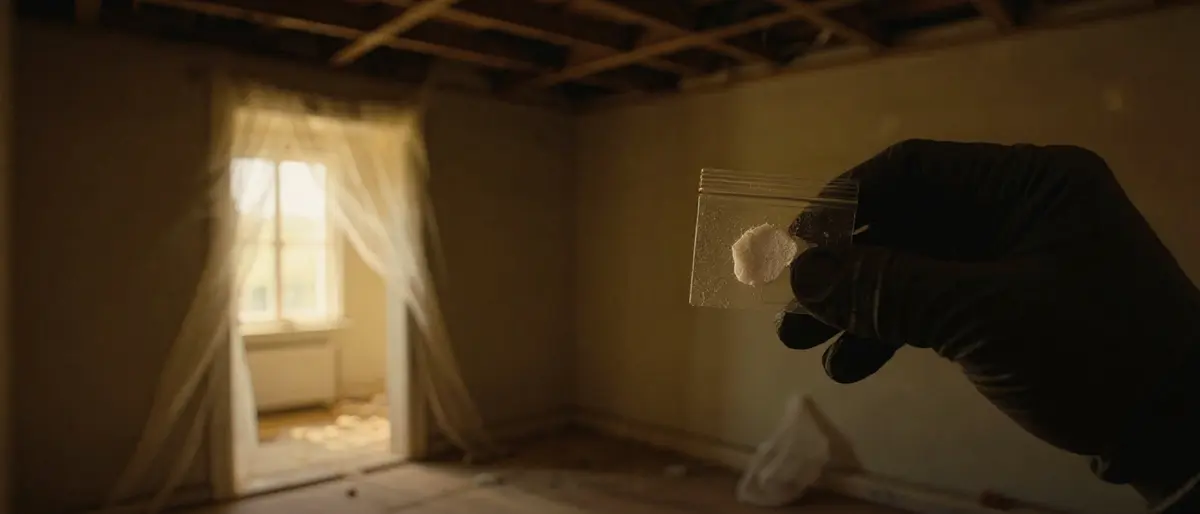
A bulk sample is a small piece of the material, taken with as little disturbance as possible, sealed in a labeled container, and recorded with its location and a photograph. Samples go to an independent laboratory under a chain of custody.

What the laboratory does with them

Samples are analyzed microscopically to determine whether asbestos is present and, if so, the type and proportion. The report presents the laboratory results by sample and layer, and states which materials were not sampled.

Why the inspector should not be selling the removal

We do inspection and testing only - no abatement arm and no referral fee. Where asbestos-containing material is identified, the report recommends that qualified professionals scope and perform the work, and who you hire is your decision.

What the report may include

  • A survey narrative scoped to the planned work
  • An inventory of suspect materials by homogeneous area
  • A sample table keyed to locations, materials and layers
  • The independent laboratory report and chain of custody
  • Recommendations and a statement of what was not sampled

Questions we get asked

My house is not that old. Do I still need this?

Possibly not, but age alone is not a reliable filter. Tell us the age, the construction and what you plan to disturb, and we can tell you whether a survey is worthwhile.

Can you test the whole house instead of just the renovation area?

Yes, and sometimes that is the right call - for a phased renovation, for example. A scope tied to the planned work usually gives a more useful report.

What if something comes back positive?

Intact, undisturbed material is often a management question rather than a removal question. Where planned work would disturb it, the report recommends that qualified professionals scope and perform that work.

Do you do the removal too?

No. We survey and sample; the abatement decision and the contractor are yours.

Talk it through with Kris

Scope depends entirely on the building and the question, so there is no price list here and no online booking. Call and describe what you are seeing - what you have noticed, when it started, and where - and Kris will tell you what would actually answer it.

Call (225) 717-5591

Or email kris@clarityiaq.com