
Bacteriological

The test for the things that are not mold

Most of these calls follow a toilet overflow, a sewage backup or floodwater. Bacteriological sampling helps determine whether contamination is still present afterwards.

Where bacterial sampling applies

Water systems: private wells and any supply that has been opened, repaired, flooded or left standing - compromised water can look and taste normal.

Materials that stayed wet: sewage, graywater and floodwater carry bacteria from the start, and materials carrying greater than 20% moisture, or soaked, should be expected to support actively growing microorganisms if not dried within about 48 hours.

Standing water in building systems: condensate pans, humidifiers and cooling equipment - often the source of odor complaints with nothing visible.

How the samples are taken

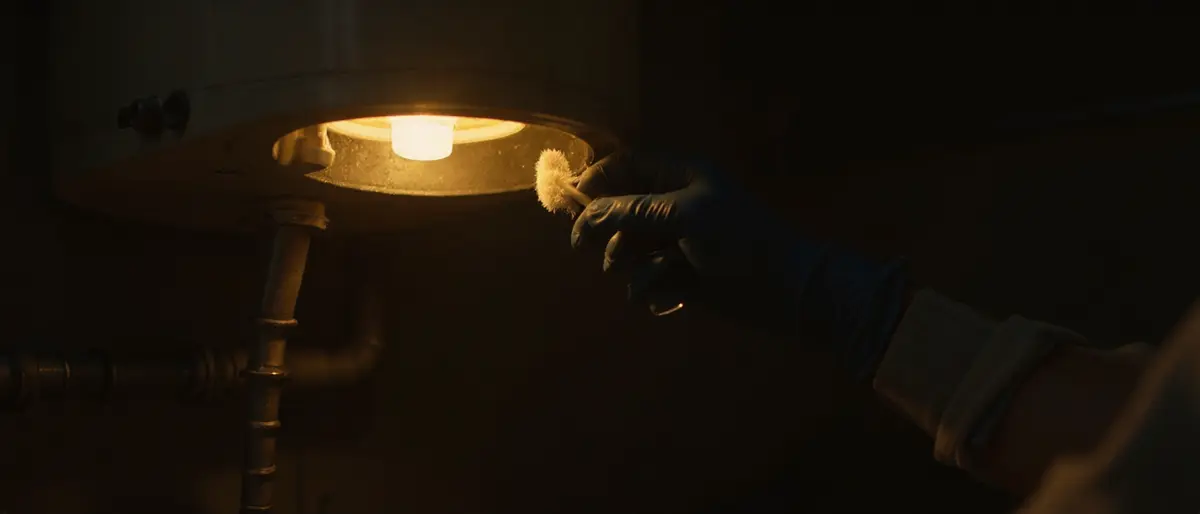
Bacteriological samples are easily contaminated, so they are collected with sterile containers and swabs, kept cold, and delivered within the laboratory's hold time under a chain of custody. Water, surfaces and materials can each be sampled, depending on the question.

Culture-based analysis, in plain terms

Most bacteriological analysis is culture-based: the laboratory places the sample on a growth medium, incubates it, and reports what grows. Some tests ask whether an indicator organism is present or absent; others count colonies so locations can be compared. Because incubation takes time, results are not immediate.

How results read

Results describe that sample, from that location, at that time. Re-sampling after corrective work is normal. The report does not make health determinations - those belong to a physician, and matters involving a shared supply belong with the relevant authority.

Why it usually travels with a moisture assessment

Bacterial contamination in a building is usually a water problem, so it is often paired with moisture mapping to show where the water came from and whether it is still arriving.

Disinfectants and antimicrobial coatings applied before an assessment can obscure what the assessment is meant to examine. We do not remediate or disinfect.

What the report may include

  • The moisture findings the sampling was based on
  • A sample table keyed to locations and materials
  • Laboratory results by method, including what was not detected
  • The independent laboratory report and chain of custody
  • Conclusions, recommended next steps and stated limitations

Questions we get asked

How is this different from a mold test?

Different organisms and different laboratory methods. Fungal sampling identifies and counts spore types; bacteriological sampling usually cultures the sample. A wet building can need both.

The water was clean water, not sewage. Do I still need this?

Possibly. Material carrying greater than 20% moisture, or soaked, should be expected to support microbial growth if not dried within about 48 hours, whatever the source.

Why do the results take longer than I expected?

Culture-based analysis requires incubation. We will give you the expected window up front.

Should I disinfect before you come out?

Unless health or safety requires it, please wait. Disinfectants applied first can obscure what the assessment is meant to examine.

Talk it through with Kris

Scope depends entirely on the building and the question, so there is no price list here and no online booking. Call and describe what you are seeing - what you have noticed, when it started, and where - and Kris will tell you what would actually answer it.

Call (225) 717-5591

Or email kris@clarityiaq.com